
Safdarjung's Tomb - A Mini Taj Mahal in The Heart of New Delhi
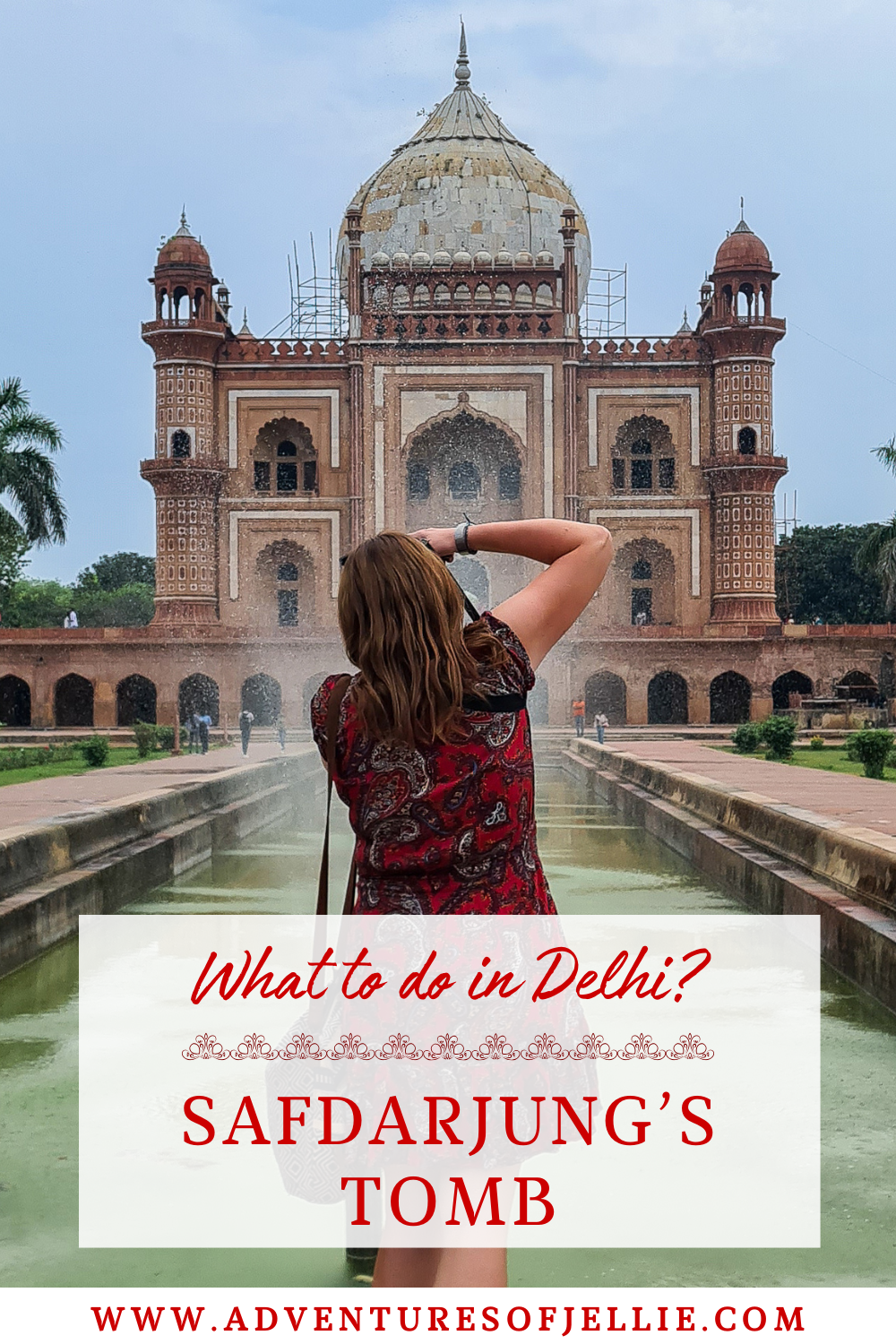
Delhi is full of surprises! The city is brimming with colour, tradition and ancient architecture. One of these historic treasures is the Mughal garden mausoleum of Safdarjung’s Tomb. Known as the ‘Mini Taj Mahal’ this incredible red sandstone and white marble domed tomb rises up out of a beautifully manicured garden.
We didn’t know what to expect when we visited the site, but the architecture and peaceful gardens of Safdarjung’s Tomb was one of the favourite things we visited in the Indian capital.
Read on to find out everything you need to know about visiting this beautiful Mughal mausoleum.
In this guide:
Disclosure: This article may contain affiliate links. We will earn a small commission from any purchases made through these links.
What is Safdarjung's Tomb?
Safdarjung's Tomb is, surprise, surprise, a tomb! Built in 1754, by Nawab Shuja-ud-Daula, the tomb was designed to honour his father Mirza Abdul Mansur Khan (known as Safdarjung) who was the Prime Minister of the Mughal Empire under Muhammad Shah.
Safdarjung’s Tomb is the last of the great Mughal garden tombs built in Delhi. The stunning red and white mausoleum rises up out of the centre of a beautiful “paradise garden” designed in four quarter char-bagh style, a Persian and Indo-Islamic garden layout.
Safdarjung’s Tomb is often referred to as the mini Taj Mahal due to its similar dome like architecture, although Safdarjung’s Tomb is much more modest in looks than its more famous cousin in Agra!

Where is Safdarjung's Tomb?
Safdarjung's Tomb is located in the south of Delhi and can be found on a map here.
Sitting in the middle of Delhi’s embassy district, Safdarjung’s Tomb is surrounded by wide, tree-lined boulevards and is neighbours with the famous Lodhi Garden and Khan Market.
Although easily overlooked for more famous Delhi monuments, Safdarjung’s Tomb is well worth your time and is ideally placed as part of a full day out exploring some of the highlights of southern Delhi. We visited the tomb after a walk through Lodhi Garden and a delicious lunch at the Khan Market.
How to get to Safdarjung's Tomb?
The easiest way to reach the site is to arrive by taxi or auto rickshaw. To book a ride, we would recommend using the ride hailing apps of Uber or Ola. If you are looking for an Indian eSIM, check out Holafly.
For those travelling by public transport, the nearest metro station is Jorbagh on the Yellow Metro Line (located here). From the metro station it’s a short 5 minute walk (350 metres) to the entrance.
If you’re travelling to the tomb by bus, there is a bus stop right outside the entrance.

How much does it cost to get in?
Tickets cost 300 rupees each for foreigners or 25 rupees for Indian citizens. If you are planning to film, there’s an additional 25 rupee charge for videography. For those with a camera, still photography is free.
There are many touts outside the front entrance trying to sell "tickets or tours". We can't speculate on the tours as we didn't take one but their offered ticket prices were much higher than the official entrance fee.
The ticket booth is located to the right of the main archway.
When is Safdarjung’s Tomb open?
Safdarjung’s Tomb is open everyday from 9 AM until 7 PM. On festival days or public holidays these opening times may change.
Our experience visiting the mausoleum
We really hadn't known what to expect, in fact we hadn't even heard about Safdarjung or his tomb until we were recommended it by a fellow traveller whilst sitting around a firepit in Nong Khiaw, Laos!
From the entrance gate you could be forgiven for thinking this is a small site, just needing a quick stop before moving on, but don't judge a monument by its gateway! As you walk through the arched gatehouse and out into the sunshine, the sheer scale of the place is instantly and eye widening-ly apparent.

In pleasingly geometrically precise lines, water channels stretch from a fountain near the entrance, up a manicured, palm lined avenue to the steps of the great tomb. Set on top of its red sandstone terrace, the tomb sits like the gnomon of a sundial in the centre of the garden. Its white dome pointing skywards and contrasting with the green of the plants and red of the mausoleum. On each of the square terrace’s four sides the water channel is mirrored, stretching out from the central tomb to the surrounding walls. On the right hand side, a dramatic three domed mosque sits in the border wall, whilst all around formal gardens bloom.
When we walked inside the tomb, the ornately carved dome towered high above us. All around, the walls were intricately carved with stone latices, allowing the sunlight to glimmer through and cast beautiful geometric shadows across the marble.

The tombs themselves are, in typical Mughal fashion, understated, clean marble affairs that emphasise the grandeur of their surroundings. The tomb and terrace were gorgeous places, their elevated position giving great views across the garden. From up on the terrace Safdarjung's Tomb looks like an oasis, surrounded by modern New Delhi on all sides.
In the chaos of Delhi you've got to find your peaceful places, and the gardens of Safdarjung's Tomb were definitely that. With peacocks strolling around the gardens and eagles circling overhead. It was quite literally a breath of fresh air!
How long do you need to spend visiting Safdarjung's Tomb?
Despite the size of the grounds, you can see all that the tomb has to offer within an hour or so. If you've brought a picnic or if you just want to chill out in the beautiful gardens, you can of course stay longer.
We'd recommend combining a visit to the Safdarjung’s Tomb with a trip to the nearby Lodhi Garden which is practically next door. From there, you could head to Khan Market for an upmarket coffee or fancy lunch.
Close by (but a short rickshaw ride away), you could head to the National Rail Museum, the arty Hauz Khas Village or visit the amazing Qutub Minar.

What facilities are at Safdarjung's Tomb?
Inside the grounds there are toilet facilities and outside next to the entrance is the usual array of food carts, ice cream wagons and water sellers.
Final thoughts - Why should I visit Safdarjung’s Tomb?
Safdarjung's Tomb is gorgeous and is a real unexpected treasure of Delhi. We had no idea that such an impressive tomb and gardens sat behind the modest stone walls.
Safdarjung's Tomb does not (or at least did not while we were visiting) suffer from the overcrowding, common in other ancient sites of Delhi. We were far from the only ones there, but the gardens were so vast that it never felt crowded and you never had to wait in an Instagram queue to take a nice photo.
If you’re looking for a relaxed and peaceful escape from the busy streets of Delhi, we can highly recommend visiting Safdarjung’s Tomb. It was calm, beautiful and a stunning relic of India’s colourful past!
Thank you for reading,
John & Ellie x
#adventuresofjellie

Check out all our other Delhi articles below:


If you’re looking for a great place to stay in south Delhi why not book a stay at JHouse Hostel?
Located just a short tuk tuk ride away, this is an ideal place to base yourself to see Safdarjung’s Tomb as well as all of southern Delhi’s highlights. Read more about our stay here.
If you’re found this blog helpful, entertaining or you just fancy supporting us, please click the button below!
If you’ve enjoyed reading this article, why not save the pin below?
If you’re looking for something different to do in Delhi, check out the National Railway Museum. This open air train yard is stuffed full of engines, exhibits, turntables and carriages and is a great day out or adults and children alike! Read our guide for all the information you need for visiting this train filled wonderland.